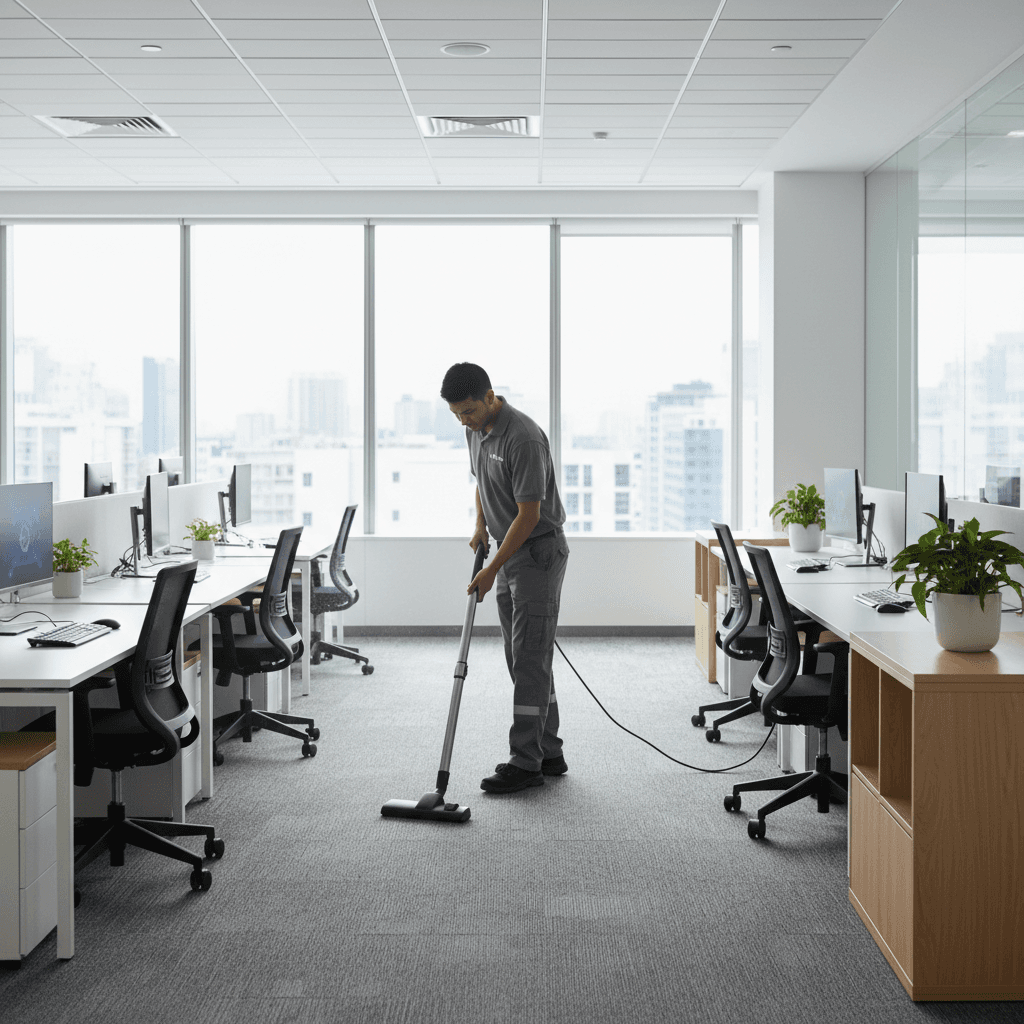
Most homes benefit from a comprehensive deep clean every three to six months, or at least twice a year during the spring and fall seasons. Determining exactly how often should you deep clean your home depends on specific lifestyle factors like the presence of pets, children, or allergy sufferers. This process addresses high-impact areas that regular maintenance misses, such as scrubbing grout, dusting ceiling fans, and cleaning behind major appliances.
Maintaining a pristine home in Juab County often feels like a constant battle against the elements. You might sweep and mop every weekend, yet find that grit still lingers in your grout and dust settles on your baseboards within hours. This frustration stems from the gap between surface maintenance and genuine deep cleaning. In our high-desert climate, the combination of fine Utah dust and relentless hard water creates unique challenges that standard routines simply cannot address. A well-timed deep clean is not just about aesthetics; it is about preserving your home's value and your family's health. In this guide, we provide a realistic deep cleaning schedule tailored specifically for Juab County residences. You will learn the critical differences between maintenance and restorative cleaning, discover how often to target high-traffic zones like kitchens and bathrooms, and identify the signs that your property is overdue for professional attention.
Deep Cleaning vs. Regular Cleaning: What Is the Difference?

Understanding the distinction between maintenance and restoration is essential for managing your property effectively. Regular cleaning refers to the routine upkeep designed to keep surfaces tidy and hygienic. This typically includes weekly or bi-weekly tasks such as vacuuming open floor areas, light dusting of reachable surfaces, and basic bathroom wipe-downs. These activities prevent day-to-day mess from becoming overwhelming; however, they rarely address the underlying buildup that accumulates in hidden corners.
Deep cleaning is a comprehensive restoration process that targets the areas often overlooked during a standard sweep. It involves intensive labor like hand-wiping baseboards, scrubbing tile grout to remove embedded stains, and degreasing the interior of the oven and behind the refrigerator. While regular cleaning keeps a home presentable, deep cleaning ensures the structural elements and heavy appliances remain in top condition.
In Juab County, the environment dictates a more rigorous approach. Our high desert climate produces fine, alkaline dust that infiltrates homes more aggressively than in humid regions. This silt settles into window tracks and behind furniture, where it can bond with moisture to create a stubborn grime. When considering how often should you deep clean your home, it is important to remember that these hidden reservoirs of dust can impact indoor air quality if left unchecked. By utilizing high-quality, detail-focused cleaning, homeowners can effectively combat this environmental buildup. Juab Cleaning provides dependable residential cleaning services designed to bridge the gap between simple tidying and total home restoration, ensuring every crevice is addressed.
The Juab County Impact: How Utah Dust and Hard Water Change the Rules
Living in Juab County means contending with unique environmental variables that accelerate home wear and tear. While national averages offer a baseline, the specific conditions in areas like Nephi and Santaquin often dictate a more frequent schedule for thorough maintenance. The primary culprit is the combination of intense wind and local agricultural activity. These forces drive a fine, silty dust into the smallest crevices of a home, often bypassing standard door seals and window screens. This isn't just a surface issue; this silt accumulates in HVAC vents and window tracks, creating a gritty residue that regular vacuuming cannot fully eliminate.
In addition to the dust, Central Utah is notorious for its hard water. The high mineral content, primarily calcium and magnesium, poses a significant threat to bathroom and kitchen fixtures. Over time, these minerals crystallize into a stubborn white scale that resists standard household cleaners. If left untreated, this buildup can lead to permanent etching on glass shower doors and chrome faucets, causing irreversible damage to the finish.
When determining how often should you deep clean your home in this region, these factors must be prioritized. A deep clean in Juab County requires specialized descaling procedures to strip away mineral deposits before they bond permanently to surfaces. Professional methods involve acidic cleaners specifically formulated to break the chemical bond of the scale, a process that goes far beyond a typical wipe-down. By incorporating specialized solutions tailored to each client, homeowners can preserve their fixtures and manage the constant influx of desert dust. Addressing these environmental realities ensures that the home remains healthy and the property value is protected against the harsh local elements.
A Realistic Deep Cleaning Schedule for Juab County Homeowners

Determining how often should you deep clean your home requires balancing your lifestyle with the unique environmental demands of Central Utah. For a standard household in Juab County, a comprehensive deep clean every 4 to 6 months serves as an effective baseline. This frequency ensures that fine desert silt and hard water deposits do not become permanent fixtures in your living space.
Timing these sessions with Utah’s distinct seasons is highly practical. A spring deep clean is vital for removing the heater dust that accumulates in vents and on high ledges during the months your furnace runs constantly. Conversely, a fall session prepares the home for indoor holiday gatherings and addresses the grit kicked up by late summer winds before the windows are sealed for winter.
For homes with indoor pets, young children, or residents suffering from respiratory sensitivities, the schedule should be tighter. In these instances, a 3 month cycle is recommended to prevent pet dander and alkaline dust from embedding into upholstery and grout. Maintaining this pace often requires dependable residential cleaning services to manage the volume of buildup effectively. By investing in high-quality, detail-focused cleaning at these intervals, you maintain a baseline of health that regular weekly tasks cannot achieve.
Kitchen and Dining Areas: Every 3 Months
The kitchen serves as the hub of the home, but it is also the primary site for grease accumulation and food debris. For most Utah households, addressing these high-traffic zones every 90 days is essential to maintain food safety and appliance efficiency. A quarterly deep clean should prioritize degreasing the range hood filter and the tops of kitchen cabinets, where cooking oils bond with fine desert dust to create a sticky, stubborn film. Additionally, sanitizing the dishwasher filter removes trapped food particles, preventing bacterial growth and ensuring dishes come out truly clean.
When evaluating how often should you deep clean your home, consider the impact of local hard water on your culinary equipment. Calcium deposits frequently clog faucet aerators and internal components of coffee makers, reducing water pressure and affecting taste. Incorporating a quarterly descaling routine for these items is necessary to prevent permanent mineral damage. By utilizing specialized solutions tailored to each client, homeowners can ensure these technical tasks are performed correctly, preserving the longevity of expensive kitchen fixtures and appliances.
Bathrooms: Every 2 to 3 Months
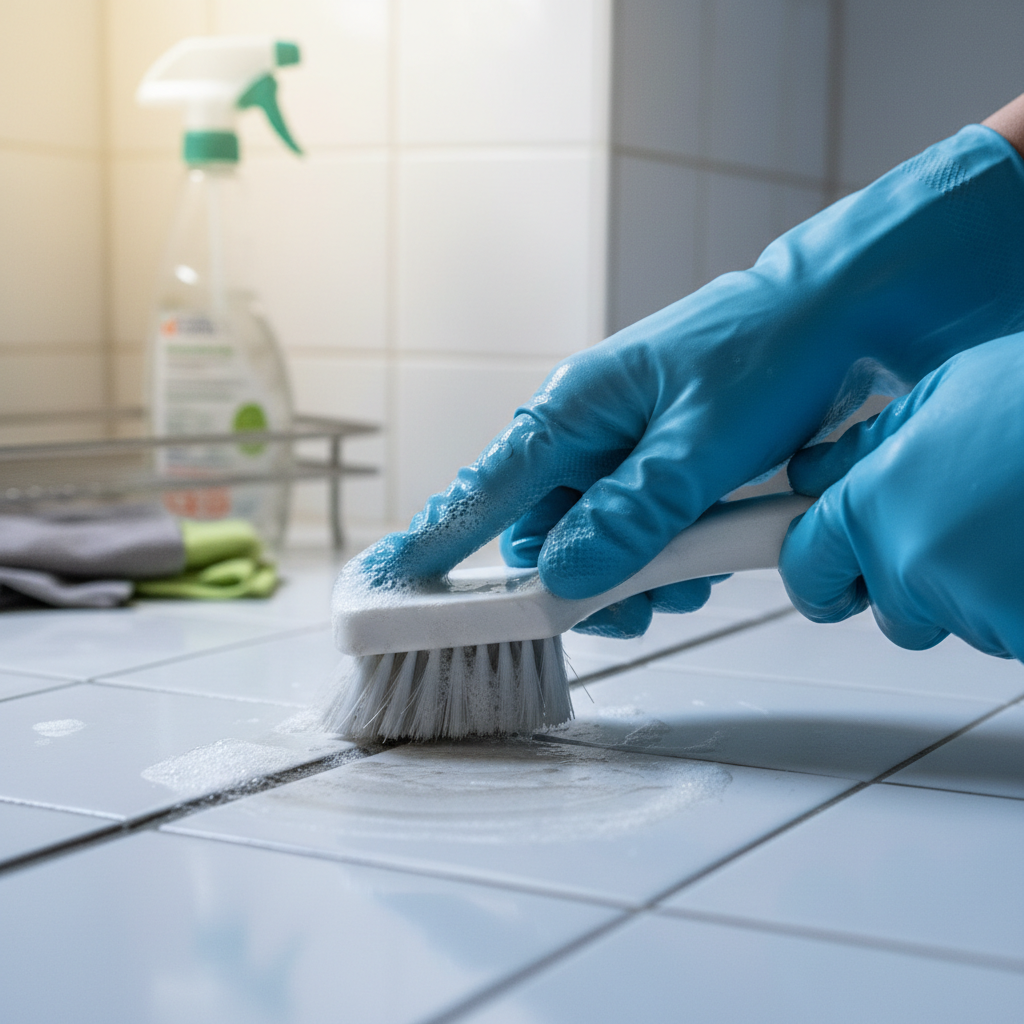
Bathrooms require the most frequent attention in a Juab County residence because constant moisture interacts with heavy mineral loads. When determining how often should you deep clean your home, bathrooms should be scheduled every two to three months to prevent permanent fixture damage. This frequency is essential for scrubbing grout lines; these porous surfaces trap both humidity and fine desert silt, which can lead to rapid mold growth if not agitated and sanitized regularly.
Addressing mineral deposits on faucets and showerheads is the other priority. In local areas like Mona or Nephi, calcium and magnesium buildup can quickly restrict water flow. If handled within the 90-day window, these deposits can usually be removed using professional-grade, specialized solutions tailored to each client without damaging the metal. Waiting longer than three months allows the minerals to calcify into a rock-hard state, often necessitating aggressive chemicals that can strip finishes. Utilizing dependable residential cleaning services ensures these high-moisture zones remain hygienic and scale-free while protecting your home's long-term value.
Living Areas and Bedrooms: Every 6 Months
While high-moisture zones require quarterly attention, living rooms and bedrooms can generally wait longer. A six month interval is the recommended frequency for these lower-traffic areas. In Juab County, this biannual reset focuses heavily on managing the fine desert silt that works its way into window tracks and behind heavy furniture. When evaluating how often should you deep clean your home, remember that these dry rooms act as collectors for airborne particles that eventually settle into hard-to-reach crevices.
A deep clean in these spaces involves hand-wiping ceiling fan blades and light fixtures where static electricity bonds dust to the surface. It also requires moving heavy sofas or dressers to access baseboards and flooring that standard vacuuming misses. This is a critical time to inspect HVAC vents; if they are coated in gray grit, your system is likely recirculating old debris throughout the house. Implementing high-quality, detail-focused cleaning ensures these often-ignored surfaces do not become permanent dust reservoirs. Juab Cleaning provides dependable residential cleaning services to handle these physically demanding tasks, from scrubbing window tracks to reaching vaulted ceiling ledges.
5 Signs Your Home Is Overdue for a Deep Clean
Identifying when your living space requires more than a routine sweep is the first step toward a healthier environment. When determining how often should you deep clean your home, physical indicators usually reveal the need before the calendar does. Watch for these five specific signs in your Juab County property:
Visible dust on baseboards or door frames: Because our local dust is a fine, alkaline silt, it clings aggressively to vertical surfaces and ledges. If a quick dusting leaves a gray streak, it is time for high-quality, detail-focused cleaning.
Sticky residue on kitchen cabinets: This film occurs when cooking grease traps airborne particles, creating a layer that routine sprays cannot dissolve.
Cloudy glass or spotted fixtures in the bathroom: This indicates mineral calcification from hard water, requiring specialized solutions tailored to each client to prevent permanent etching.
A lingering musty smell despite vacuuming: Odors often emanate from silt trapped in window tracks or behind heavy appliances where air circulation is limited.
Increased sneezing or allergies when indoors: This typically signals that the high desert dust has saturated your upholstery and HVAC vents.
Recognizing these symptoms early allows you to schedule dependable residential cleaning services before the buildup causes long-term damage to your surfaces or indoor air quality.
Professional Deep Cleaning Checklist: What to Expect from a Service
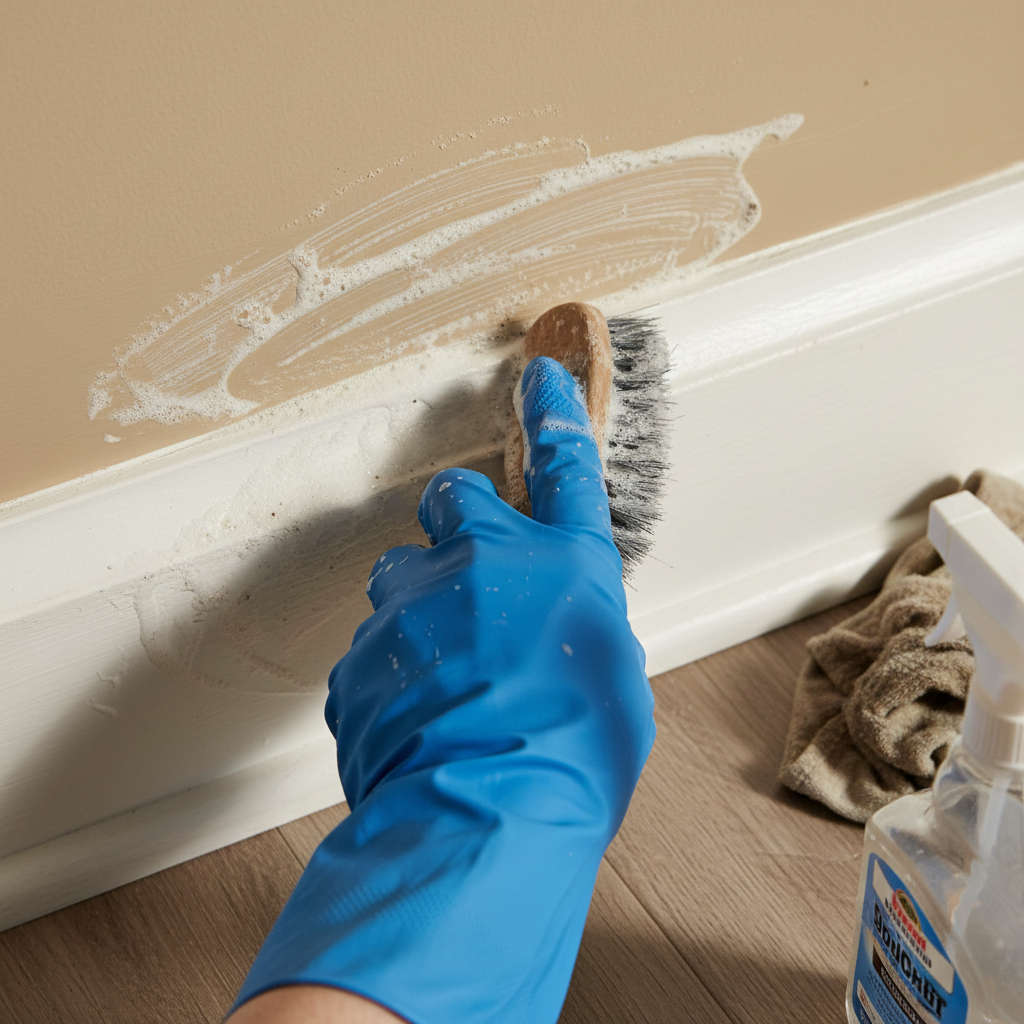
When you hire a service, you are paying for technical precision that goes beyond the surface. A professional deep clean targets the lived-in grime that accumulates between seasonal shifts, providing a total reset for the property. Juab Cleaning employs a high-quality, detail-focused cleaning methodology that includes hand-washing window sills to remove desert silt and using specialized grout brushes to lift stubborn mineral staining. Unlike a standard wipe-down, a professional service cleans the interior of ovens and dishwashers, scrubs the tracks of sliding glass doors, and hand-cleans every baseboard in the house.
Because of the intensity of these specialized solutions tailored to each client, a full session typically requires four to eight hours of labor depending on the home’s square footage. This investment of time ensures every square inch is restored, providing a significant advantage for busy families who cannot dedicate an entire weekend to scrubbing. Knowing how often should you deep clean your home is only the first step; ensuring the job is done to a professional standard resets your maintenance clock. By utilizing dependable residential cleaning services, you ensure that high-impact areas like bathroom vents and refrigerator coils are addressed, protecting your indoor air quality and extending the life of your home finishes.